


Well prepare a painting site thanks to protective tarps
By Bâches Direct
Published on 06-04-2022
Last updated 17-09-2026
2


Repainting your house requires a bit of preparation, particularly when it comes to equipment. Discover our tips and our protective painting sheets to fully protect your floors, rooms and furniture.
Why protection?
When a homeowner decides to repaint their interior walls, their aim is to revitalise the atmosphere inside their home. Therefore, creating new, tedious tasks is out of the question. Indeed, a painting project can result in dirt on the floors and also on certain items that cannot be moved due to their size or weight. The same thing can happen with the tiles in the kitchen and bathroom. Cleaning these stains can lead to extra costs, as you’ll need to buy specialised products to remove the paint stains, not to mention the time it will take.
Using a plastic sheet is the best way to prevent paint drips from the roller or brush from landing on the floors or the kitchen worktop. This covering also prevents these stains from setting on the bath. This wide protective sheeting, which is available in shops, is used to cover parts of the house not affected by the painting work. It comes in various sizes, and the person in charge of the project should choose the sheeting according to their needs and the size of the area to be protected.
Which protective tarpaulin should you choose for your project?
To prevent paint from getting onto your surfaces, there are now solutions to suit every room layout:
- Polyethylene plastic sheeting: Available in rolls or as folded sheets, these flexible and cost-effective sheets are ideal for covering furniture, windows or worktops. There are two types: low-density polyethylene (ideal for small jobs) and high-density polyethylene (more durable).
- Self-adhesive protective sheeting (1 m x 25 m roll – 25 m²): Thanks to its self-adhesive backing, it sticks directly to the floor without the need for adhesive tape. Repositionable, non-slip and featuring a 120 g/m² waterproof film, it provides effective protection against liquids and cushions minor impacts. It is the perfect solution for delicate areas such as staircases.
- The absorbent felt sheet (1 m x 25 m roll – 25 m²): Its top layer of textile felt instantly absorbs drips and traps paint, preventing it from being tracked underfoot. Its waterproof plasticised backing guarantees complete waterproofing to protect your wooden floors and tiles.
-

Painting
Paint drop cloth in ROLL 3x15 m Translucent - High Quality TECPLAST 80RPE - Protective plastic sheeting floor - Made in France
(13)€28.98
-

Painting
Self-Adhesive Paint Sheet Roll 1x25 m - TECPLAST - 120APE - White - Economy - Anti-Slip Floor Protection Sheet
€56.98
-

Painting
Paint Protection Fleece Roll 1x25m - TECPLAST - 120FPE Grey - Economy - Floor Protection Fleece for Painting
€36.97
-

BESTELLERS
Painting
Paint drop cloth in ROLL 3x25 m Translucent - High Quality TECPLAST 80RPE - Protective plastic sheeting floor - Made in France
(13)€39.48
-
BESTELLERS
Painting
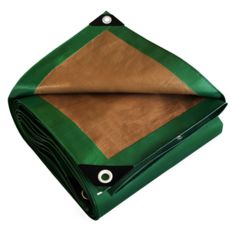
Paint tarpaulin 5x8 m - TECPLAST - HQ250PE - Green and Brown - High Performance - Paint protection tarpaulin for floor and furniture
(4)€68.98
How do you go about fitting the tarpaulin?
Getting hold of a good-quality protective sheet is one thing, but the person carrying out the work must also know how to use it. So, before you can lay out the sheet, you need to make space in the room. This means moving the furniture to ensure that the sheet can cover as much of the surface as possible. The aim is to spread the plastic sheeting out so as to eliminate any creases. It should be noted that protection is at its best when the sheet is spread evenly over the surface to be protected.
The tradesperson or apprentice painter will start by taping the sheet along the wall, beginning at the edge of the skirting board. The protective film must then be stretched to cover the floor. The roll of tarpaulin should be unrolled at right angles to the wall. This prevents the material from creasing. This process must be repeated each time you move to a new section. It is best to remove the tarpaulin as soon as the final brushstrokes have been applied.
FREQUENTLY ASKED QUESTIONS
-
Are paint protection sheets reusable?
Yes, most professional-grade or standard tarpaulins (such as felt or adhesive tarpaulins) are designed to be reusable. Allow any paint that has fallen onto the surface to dry, dust it off or wipe it gently, then fold or roll up your tarpaulin and store it away from damp.
-
How can you avoid slipping on a tarpaulin whilst painting?
Lightweight plastic sheeting can be slippery. To avoid any risk of accidents, particularly in high-traffic areas or on stairs, opt for self-adhesive paint sheeting or felt sheeting, which provide good grip on most smooth surfaces.
-
How can you effectively protect a staircase whilst painting it?
Stairs can be a tricky and dangerous area if the surface is slippery. The best option is self-adhesive sheeting on a roll: it is applied step by step, lies flat and does not require any adhesive tape to hold it in place.
-
2
 Tips PVC
PVC tarpaulins: 5 mistakes to avoid to protect your equipment effectively
Buying a waterproof PVC tarpaulin is an excellent first step, but you still need to fit it properly and look after it! Even the best truck-style tarpaulin won’t do its job if it’s fitted incorrectly or not looked after properly.
-
3
 DIY Painting
Professional paint dust sheet: how to optimize protection on your job sites?
A professional paint protection tarpaulin is a waterproof and resistant coating designed to protect floors, equipment and joinery from paint spills, solvents and light shocks during work. Depending on the site area, craftsmen prefer absorbent felt tarpaulin (floors and areas with high traffic), self-adhesive tarpaulin (stairs and parquet) or polyethylene plastic film (masking of furniture and windows).
-
3
 DIY Painting
How to protect your stairs and floors with the adhesive tarpaulin?
Discover the self-adhesive and repositionable Tecplast 120APE paint cover. Protecting a stairwell, a corridor with high traffic or steps can represent an important time to prepare and effectively protect the area. Flying protections wrinkle, slide and require meters of masking tape. This anti-slip tarpaulin solves this constraint: it originally grips the support (non-porous) without additional adhesive, offering unwavering stability and quick installation.
-
 Construction DIY
Top 5 Uses of a Construction Tarp for Your Renovation Projects
On a renovation site, there is a tool that we often forget... until we really need it: the construction tarp.
Indispensable, it protects, isolates, covers and secures everything that must remain safe.
To renovate a facade, redo a roof or work in the rain, the worksheet accompanies you in all situations.
-
3
 DIY Painting
Why choose the absorbent felt paint cover for your floors?
During renovation or painting work, accidental splashes of solvent, drips of plaster or a falling paintbrush can damage wooden flooring, carpets or tiles. Unlike ordinary plastic sheeting, where paint ends up on the soles of your shoes, Tecplast’s absorbent felt paint sheet provides a double barrier: it absorbs any drips on the surface whilst forming a completely waterproof barrier underneath.
